For the best experience, this project uses the Webflow Input Enhancer extension. We highly recommend installing it. Click here to download (use preview mode to access link)
When looking at the global patent landscape, we found 763 applicants and 1,295 patents in the nuclear energy space, across 19 countries. China dominates the industry, with 518 applicants, followed by Russia, with 65.
Across the board, applicants saw an uptick in patent filings within the nuclear energy space in 2019, that has increased steadily since then.
The top 3 global patent players are: UNIV XI AN JIAOTONG (36 patents), UNIV HARBIN ENG (17 patents), and SHANGHAI NUCLEAR ENG RES & DESIGN INST CO LTD (17 patents).
The two most recent patents filed in nuclear energy were by TerraPower, for: – Heat Exchanger Configuration for Nuclear Reactor; and – Passive Heat Removal System for Nuclear Reactors
The third most recent patent was filed by Beam Alpha Inc. for a Sulfur Blanket.
U.S. PATENT LANDSCAPE
The U.S. patent market, specifically, has experienced a 18.39% average growth rate over the past 5 years. The highest annual increase came in 2018, when TerraPower filed 5 new patents within the space.
Notably, 5.99% of the market is owned by 3 key players: Schlumberger Limited, Siemens Aktiengesellschaft, and Baker Hughes.
Technologies referencing the key words “neutrons” and “fission” have experienced the steepest increase since 2017.
Looking to gain market intelligence on your area of focus? Visit ipcypris.com to get started. Explore recently filed patents for free via the global patent search engine.
Who’s filing patents in the nuclear energy industry
Subscribe to receive the latest blog posts to your inbox every week.
Thank you! Your submission has been received!
Oops! Something went wrong while submitting the form.
GLOBAL PATENT LANDSCAPE
When looking at the global patent landscape, we found 763 applicants and 1,295 patents in the nuclear energy space, across 19 countries. China dominates the industry, with 518 applicants, followed by Russia, with 65.
Across the board, applicants saw an uptick in patent filings within the nuclear energy space in 2019, that has increased steadily since then.
The top 3 global patent players are: UNIV XI AN JIAOTONG (36 patents), UNIV HARBIN ENG (17 patents), and SHANGHAI NUCLEAR ENG RES & DESIGN INST CO LTD (17 patents).
The two most recent patents filed in nuclear energy were by TerraPower, for: – Heat Exchanger Configuration for Nuclear Reactor; and – Passive Heat Removal System for Nuclear Reactors
The third most recent patent was filed by Beam Alpha Inc. for a Sulfur Blanket.
U.S. PATENT LANDSCAPE
The U.S. patent market, specifically, has experienced a 18.39% average growth rate over the past 5 years. The highest annual increase came in 2018, when TerraPower filed 5 new patents within the space.
Notably, 5.99% of the market is owned by 3 key players: Schlumberger Limited, Siemens Aktiengesellschaft, and Baker Hughes.
Technologies referencing the key words “neutrons” and “fission” have experienced the steepest increase since 2017.
Looking to gain market intelligence on your area of focus? Visit ipcypris.com to get started. Explore recently filed patents for free via the global patent search engine.
Keep Reading
January 12, 2023
•
XX
min read
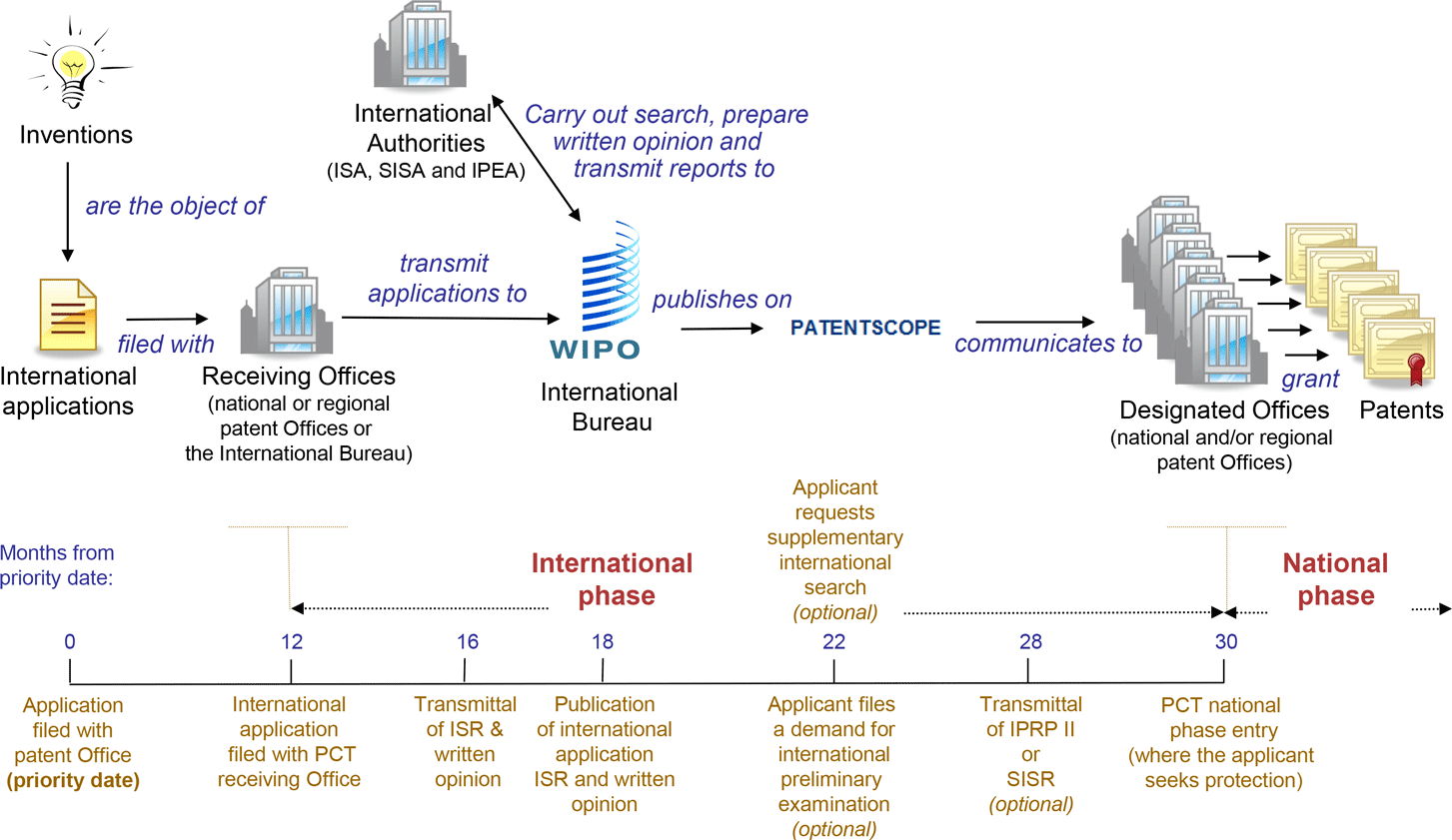
Patents are an important part of any successful research and innovation program, but they can also come with a hefty price tag. Patent maintenance fees must be paid periodically in order to keep them valid. But how much are patent maintenance fees?In this blog post, we’ll explore the basics of patent maintenance fees, including how much are patent maintenance fees, who is responsible for paying them, and what happens if you don’t pay your fee on time or at all.Let’s find out exactly how much patent maintenance fees may set you back!
Patent maintenance fees are charges that must be paid to keep a patent valid. These fees are necessary because patents have limited lifespans and need to be renewed periodically in order for the patent holder to maintain their exclusive rights over an invention.There are three main types of patent maintenance fees: annuity payments, renewal fees, and re-examination fees.Annuity payments are due at regular intervals throughout the life of the patent and typically cover costs associated with maintaining the patent’s validity such as legal services, administrative costs, etc.Renewal fees are due when a patent is up for renewal after its initial term has expired. These can range from small amounts to large sums depending on how long ago the original application was filed.Re-examination fees may also be required if there is evidence that a previously granted claim should not have been allowed or if new prior art has been discovered which could invalidate existing claims.Patent maintenance fees are an important part of protecting your invention. Knowing the costs associated with patent maintenance can help you plan and budget accordingly. Now let’s take a look at how much these fees typically cost.
The average cost for a basic utility patent in the United States is around $1,000 per year after filing fees have been paid.In Europe, however, this number can range anywhere from €500 to €2,000 per year depending on where you file your application and the length and complexity of your invention’s description.There are several factors that affect how much are patent maintenance fees. These include the type and complexity of the invention being patented, as well as any additional costs associated with maintaining or defending a patent. Different countries have different laws regarding patents and their associated costs, which can also affect how much you pay for your patent maintenance fee.One way to reduce patent maintenance costs is by using Cypris’ research platform for R&D teams. This software helps streamline processes related to researching prior art and relevant regulations — saving time and money when dealing with costly renewal fees.Additionally, there are strategies such as limiting claims made within an application or negotiating payment plans directly with local offices that may help reduce overall costs.Next, let’s explore when these fees are due.
Patent maintenance fees are due at regular intervals throughout the life of a patent. Depending on the country, these fees may be due annually or every few years. The timing for payment of these fees is typically specified in the patent application and can vary from one jurisdiction to another.In most countries, patent maintenance fees must be paid within six months prior to their expiration date. Failure to pay before this deadline will result in the patent lapsing and becoming invalidated, which means that it no longer offers any legal protection for its owner’s invention or product.Late payment penalties may also apply if a fee is not paid on time. These penalties can range from additional costs to complete revocation of the patent rights granted by the original application. In some cases, late payments may even render an invention unpatentable as well as void any existing patents associated with it.It is important to note that different jurisdictions have different regulations regarding when and how much a fee must be paid in order for a patent to remain valid and enforceable. Therefore, it is essential that R&D teams stay up-to-date with all relevant laws and regulations pertaining to their particular jurisdiction so they do not miss out on critical deadlines or incur unnecessary expenses related to late payments of such fees.It is important to understand when patent maintenance fees are due and who is responsible for paying them in order to maintain your patents. In the next section, we will discuss who is liable for payment of these fees and the differences between joint owners and assignees.
Who is Responsible for Paying the Patent Maintenance Fee?
Generally, the patent owner is responsible for paying all maintenance fees associated with a patent. The patent owner can be an individual or a company, and they are liable for payment regardless of who filed the application.In some cases, multiple parties may have ownership rights to a single patent. In these instances, each party is jointly liable for payment of any applicable fees.When two or more people own a single patent, it is important to understand how responsibility will be divided between them when it comes to paying maintenance fees. Generally speaking, joint owners must agree on which party will pay the fee before submitting their payment.If no agreement can be reached, then all parties must contribute equally toward its cost. If one party assigns their rights in relation to the patent, they remain responsible for any outstanding payments until such time as those payments are made by either themselves or another assignee.
What Happens if You Don’t Pay Your Patent Maintenance Fee?
Failing to pay patent maintenance fees on time can have serious consequences. If a fee is not paid within the designated timeframe, the patent will be deemed abandoned and no longer valid. This means that any rights or protection associated with the patent are also lost.The consequences of not paying your fees on time include:
Loss of Patent Rights: Once a patent has been declared abandoned, all rights associated with it are forfeited and anyone may use the invention without permission from the original inventor.
Legal Liability: The inventor may be held liable for damages if someone else uses their invention after it has been declared abandoned.
Financial Losses: Not only does an inventor lose out on potential profits from licensing their invention but they also incur additional costs in trying to regain their rights by filing a new application or reinstating an existing one.
FAQs About How Much Are Patent Maintenance Fees
How often do you pay patent maintenance fees?
You may pay without a surcharge for 3 to 3.5 years, 7 to 7.5 years, and 11 to 11.5 years after the date of issue.You cannot pay early.You may also pay with a surcharge during the grace periods at 3.5 to 4 years, 7.5 to 8 years, and 11.5 to 12 years after the date of issue.
How much does it cost to renew a US patent?
The cost to renew a US patent depends on the type of patent. Generally, for utility patents, the renewal fee is $800. For design patents, the renewal fee is $200.There may be additional fees associated with late payments or other special circumstances.
Conclusion
Being aware of how much are patent maintenance fees and when they are due is an important part of protecting your intellectual property. It’s also essential to know who is responsible for paying these fees so you don’t miss any payments that could result in losing your patent rights.Are you looking for a reliable and cost-effective way to manage your patent maintenance fees? Look no further than Cypris. Our research platform provides the data sources teams need in one easy-to-use, intuitive interface, giving you quick access to insights on how much are patent maintenance fees. With our help, managing these costs is easier than ever before!
How Much Are Patent Maintenance Fees? A Guide for R&D Teams
Blogs
January 11, 2023
•
XX
min read
How Cypris Supports Technology Transfer
Blogs
January 1, 2023
•
XX
min read
Case Study: How Talking Rain uncovered cutting-edge insights to stay ahead of their competition with Cypris