

Insights on Innovation, R&D, and IP
Perspectives on patents, scientific research, emerging technologies, and the strategies shaping modern R&D

Executive Summary
In 2024, US patent infringement jury verdicts totaled $4.19 billion across 72 cases. Twelve individual verdicts exceeded $100million. The largest single award—$857 million in General Access Solutions v.Cellco Partnership (Verizon)—exceeded the annual R&D budget of many mid-market technology companies. In the first half of 2025 alone, total damages reached an additional $1.91 billion.
The consequences of incomplete patent intelligence are not abstract. In what has become one of the most instructive IP disputes in recent history, Masimo’s pulse oximetry patents triggered a US import ban on certain Apple Watch models, forcing Apple to disable its blood oxygen feature across an entire product line, halt domestic sales of affected models, invest in a hardware redesign, and ultimately face a $634 million jury verdict in November 2025. Apple—a company with one of the most sophisticated intellectual property organizations on earth—spent years in litigation over technology it might have designed around during development.
For organizations with fewer resources than Apple, the risk calculus is starker. A mid-size materials company, a university spinout, or a defense contractor developing next-generation battery technology cannot absorb a nine-figure verdict or a multi-year injunction. For these organizations, the patent landscape analysis conducted during the development phase is the primary risk mitigation mechanism. The quality of that analysis is not a matter of convenience. It is a matter of survival.
And yet, a growing number of R&D and IP teams are conducting that analysis using general-purpose AI tools—ChatGPT, Claude, Microsoft Co-Pilot—that were never designed for patent intelligence and are structurally incapable of delivering it.
This report presents the findings of a controlled comparison study in which identical patent landscape queries were submitted to four AI-powered tools: Cypris (a purpose-built R&D intelligence platform),ChatGPT (OpenAI), Claude (Anthropic), and Microsoft Co-Pilot. Two technology domains were tested: solid-state lithium-sulfur battery electrolytes using garnet-type LLZO ceramic materials (freedom-to-operate analysis), and bio-based polyamide synthesis from castor oil derivatives (competitive intelligence).
The results reveal a significant and structurally persistent gap. In Test 1, Cypris identified over 40 active US patents and published applications with granular FTO risk assessments. Claude identified 12. ChatGPT identified 7, several with fabricated attribution. Co-Pilot identified 4. Among the patents surfaced exclusively by Cypris were filings rated as “Very High” FTO risk that directly claim the technology architecture described in the query. In Test 2, Cypris cited over 100 individual patent filings with full attribution to substantiate its competitive landscape rankings. No general-purpose model cited a single patent number.
The most active sectors for patent enforcement—semiconductors, AI, biopharma, and advanced materials—are the same sectors where R&D teams are most likely to adopt AI tools for intelligence workflows. The findings of this report have direct implications for any organization using general-purpose AI to inform patent strategy, competitive intelligence, or R&D investment decisions.

1. Methodology
A controlled comparative evaluation was conducted on March 27, 2026. An identical patent landscape query was submitted verbatim to each platform under standardized testing conditions. No follow-up prompts, clarifications, or iterative refinements were permitted, ensuring that each platform was evaluated based solely on its initial response.
The outputs were preserved in their original form and evaluated against predefined criteria using publicly verifiable patent records.
1.1 Query
Identify all active US patents and published applications filed in the last 5 years related to solid-state lithium-sulfur battery electrolytes using garnet-type ceramic materials. For each, provide the assignee, filing date, key claims, and current legal status. Highlight any patents that could pose freedom-to-operate risks for a company developing a Li₇La₃Zr₂O₁₂(LLZO)-based composite electrolyte with a polymer interlayer.
1.2 Tools Evaluated

1.3 Evaluation Criteria
Each response was evaluated using a consistent six-part scoring framework: patent coverage, assignee accuracy, filing metadata completeness, depth of claim analysis, quality of FTO risk stratification, and the presence of actionable strategic guidance.
Patent numbers, assignees, filing information, and legal status were independently checked against publicly available USPTO and WIPO records. The evaluation focused on the completeness, accuracy, and practical utility of each platform’s output rather than writing quality or presentation.
2. Findings
2.1 Coverage Gap
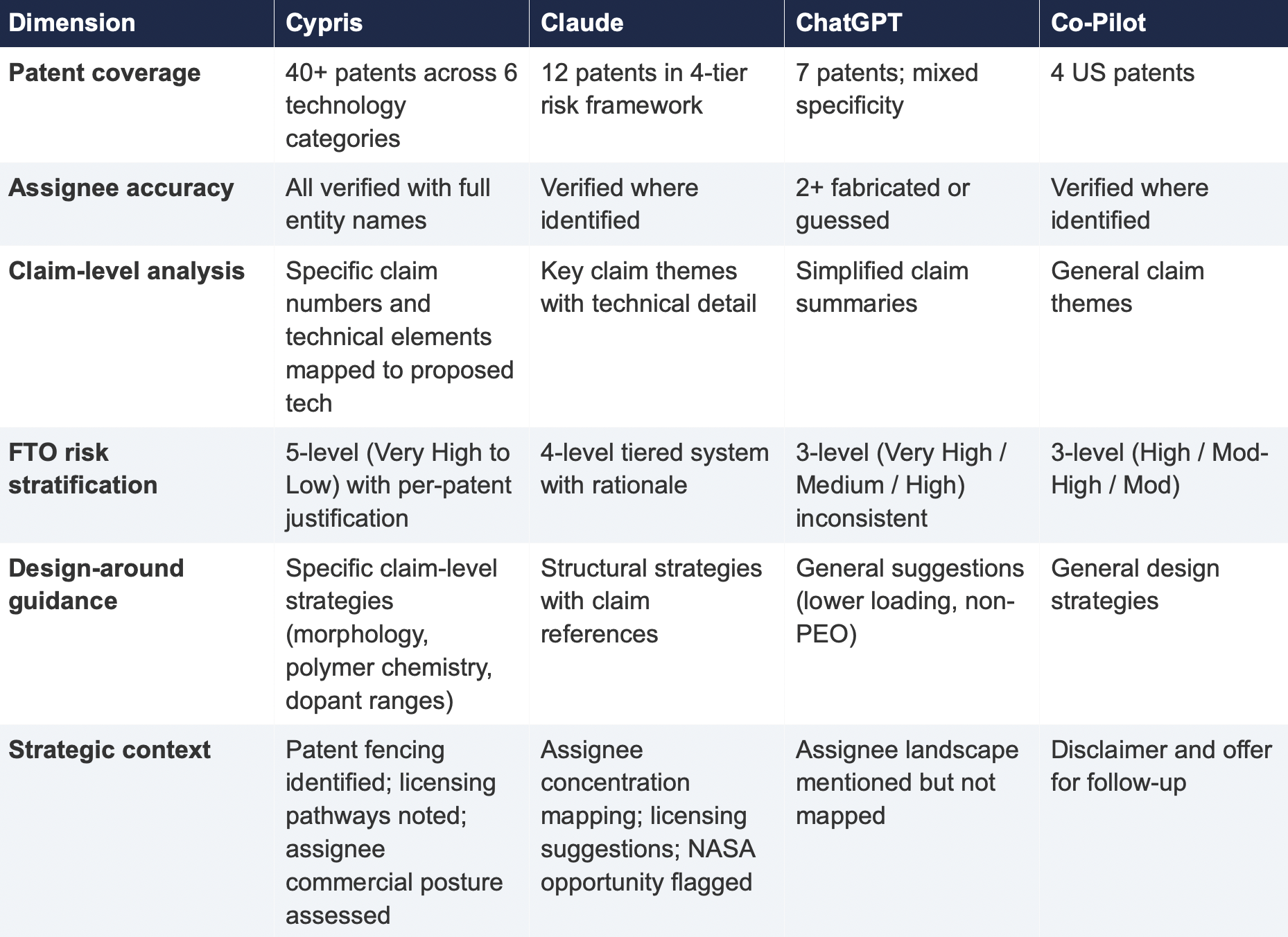
The most significant finding is the scale of the coverage differential. Cypris identified over 40 active US patents and published applications spanning LLZO-polymer composite electrolytes, garnet interface modification, polymer interlayer architectures, lithium-sulfur specific filings, and adjacent ceramic composite patents. The results were organized by technology category with per-patent FTO risk ratings.
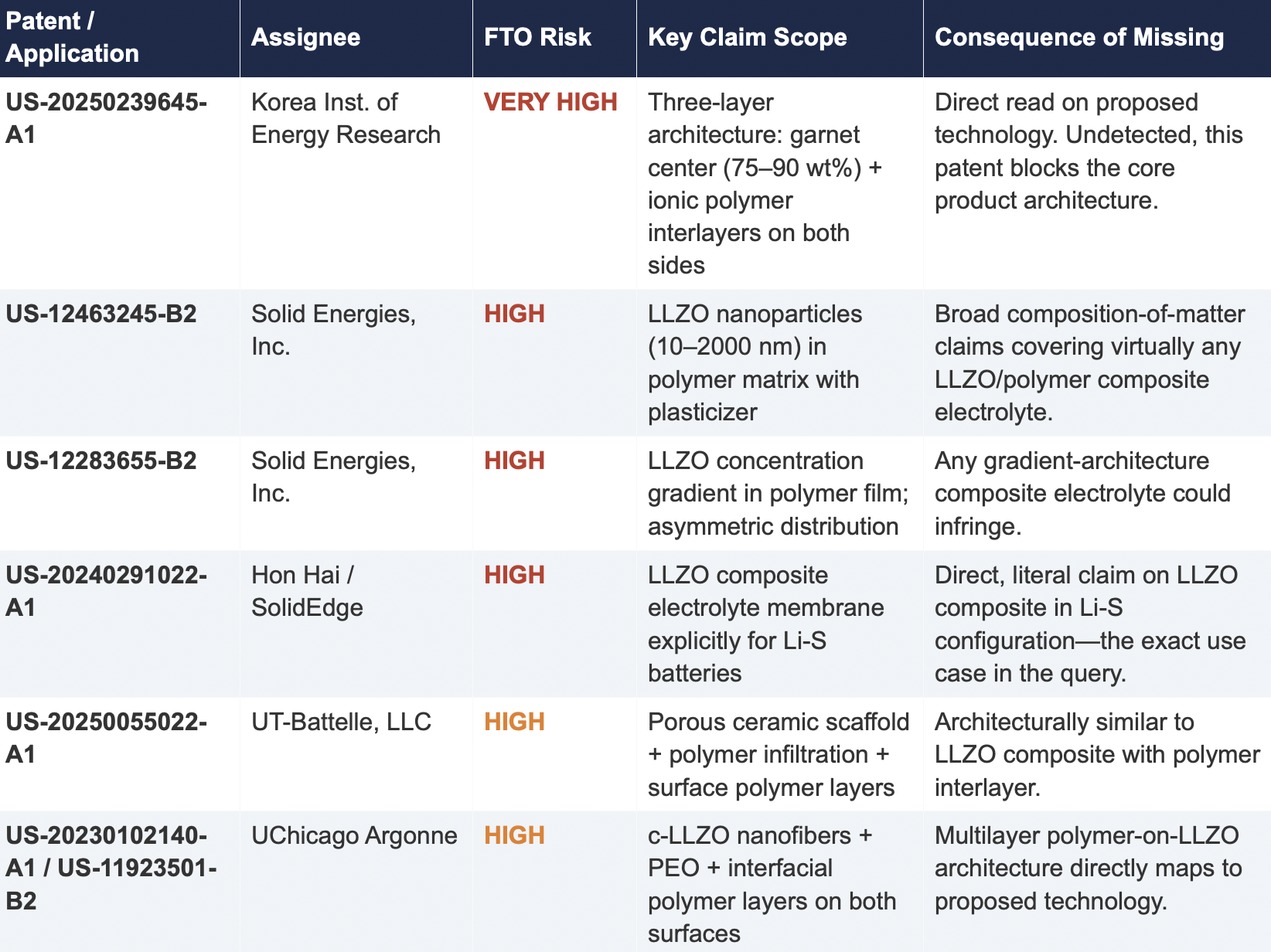
Claude identified 12 patents organized in a four-tier risk framework. Its analysis was structurally sound and correctly flagged the two highest-risk filings (Solid Energies US 11,967,678 and the LLZO nanofiber multilayer US 11,923,501). It also identified the University ofMaryland/ Wachsman portfolio as a concentration risk and noted the NASA SABERS portfolio as a licensing opportunity. However, it missed the majority of the landscape, including the entire Corning portfolio, GM's interlayer patents, theKorea Institute of Energy Research three-layer architecture, and the HonHai/SolidEdge lithium-sulfur specific filing.
ChatGPT identified 7 patents, but the quality of attribution was inconsistent. It listed assignees as "Likely DOE /national lab ecosystem" and "Likely startup / defense contractor cluster" for two filings—language that indicates the model was inferring rather than retrieving assignee data. In a freedom-to-operate context, an unverified assignee attribution is functionally equivalent to no attribution, as it cannot support a licensing inquiry or risk assessment.
Co-Pilot identified 4 US patents. Its output was the most limited in scope, missing the Solid Energies portfolio entirely, theUMD/ Wachsman portfolio, Gelion/ Johnson Matthey, NASA SABERS, and all Li-S specific LLZO filings.
2.2 Critical Patents Missed by Public Models
The following table presents patents identified exclusively by Cypris that were rated as High or Very High FTO risk for the proposed technology architecture. None were surfaced by any general-purpose model.
2.3 Patent Fencing: The Solid Energies Portfolio
Cypris identified a coordinated patent fencing strategy by Solid Energies, Inc. that no general-purpose model detected at scale. Solid Energies holds at least four granted US patents and one published application covering LLZO-polymer composite electrolytes across compositions(US-12463245-B2), gradient architectures (US-12283655-B2), electrode integration (US-12463249-B2), and manufacturing processes (US-20230035720-A1). Claude identified one Solid Energies patent (US 11,967,678) and correctly rated it as the highest-priority FTO concern but did not surface the broader portfolio. ChatGPT and Co-Pilot identified zero Solid Energies filings.
The practical significance is that a company relying on any individual patent hit would underestimate the scope of Solid Energies' IP position. The fencing strategy—covering the composition, the architecture, the electrode integration, and the manufacturing method—means that identifying a single design-around for one patent does not resolve the FTO exposure from the portfolio as a whole. This is the kind of strategic insight that requires seeing the full picture, which no general-purpose model delivered
2.4 Assignee Attribution Quality
ChatGPT's response included at least two instances of fabricated or unverifiable assignee attributions. For US 11,367,895 B1, the listed assignee was "Likely startup / defense contractor cluster." For US 2021/0202983 A1, the assignee was described as "Likely DOE / national lab ecosystem." In both cases, the model appears to have inferred the assignee from contextual patterns in its training data rather than retrieving the information from patent records.
In any operational IP workflow, assignee identity is foundational. It determines licensing strategy, litigation risk, and competitive positioning. A fabricated assignee is more dangerous than a missing one because it creates an illusion of completeness that discourages further investigation. An R&D team receiving this output might reasonably conclude that the landscape analysis is finished when it is not.
3. Structural Limitations of General-Purpose Models for Patent Intelligence
3.1 Training Data Is Not Patent Data
Large language models are trained on web-scraped text. Their knowledge of the patent record is derived from whatever fragments appeared in their training corpus: blog posts mentioning filings, news articles about litigation, snippets of Google Patents pages that were crawlable at the time of data collection. They do not have systematic, structured access to the USPTO database. They cannot query patent classification codes, parse claim language against a specific technology architecture, or verify whether a patent has been assigned, abandoned, or subjected to terminal disclaimer since their training data was collected.
This is not a limitation that improves with scale. A larger training corpus does not produce systematic patent coverage; it produces a larger but still arbitrary sampling of the patent record. The result is that general-purpose models will consistently surface well-known patents from heavily discussed assignees (QuantumScape, for example, appeared in most responses) while missing commercially significant filings from less publicly visible entities (Solid Energies, Korea Institute of EnergyResearch, Shenzhen Solid Advanced Materials).
3.2 The Web Is Closing to Model Scrapers
The data access problem is structural and worsening. As of mid-2025, Cloudflare reported that among the top 10,000 web domains, the majority now fully disallow AI crawlers such as GPTBot andClaudeBot via robots.txt. The trend has accelerated from partial restrictions to outright blocks, and the crawl-to-referral ratios reveal the underlying tension: OpenAI's crawlers access approximately1,700 pages for every referral they return to publishers; Anthropic's ratio exceeds 73,000 to 1.
Patent databases, scientific publishers, and IP analytics platforms are among the most restrictive content categories. A Duke University study in 2025 found that several categories of AI-related crawlers never request robots.txt files at all. The practical consequence is that the knowledge gap between what a general-purpose model "knows" about the patent landscape and what actually exists in the patent record is widening with each training cycle. A landscape query that a general-purpose model partially answered in 2023 may return less useful information in 2026.
3.3 General-Purpose Models Lack Ontological Frameworks for Patent Analysis
A freedom-to-operate analysis is not a summarization task. It requires understanding claim scope, prosecution history, continuation and divisional chains, assignee normalization (a single company may appear under multiple entity names across patent records), priority dates versus filing dates versus publication dates, and the relationship between dependent and independent claims. It requires mapping the specific technical features of a proposed product against independent claim language—not keyword matching.
General-purpose models do not have these frameworks. They pattern-match against training data and produce outputs that adopt the format and tone of patent analysis without the underlying data infrastructure. The format is correct. The confidence is high. The coverage is incomplete in ways that are not visible to the user.
4. Comparative Output Quality
The following table summarizes the qualitative characteristics of each tool's response across the dimensions most relevant to an operational IP workflow.
5. Implications for R&D and IP Organizations
5.1 The Confidence Problem
The central risk identified by this study is not that general-purpose models produce bad outputs—it is that they produce incomplete outputs with high confidence. Each model delivered its results in a professional format with structured analysis, risk ratings, and strategic recommendations. At no point did any model indicate the boundaries of its knowledge or flag that its results represented a fraction of the available patent record. A practitioner receiving one of these outputs would have no signal that the analysis was incomplete unless they independently validated it against a comprehensive datasource.
This creates an asymmetric risk profile: the better the format and tone of the output, the less likely the user is to question its completeness. In a corporate environment where AI outputs are increasingly treated as first-pass analysis, this dynamic incentivizes under-investigation at precisely the moment when thoroughness is most critical.
5.2 The Diversification Illusion
It might be assumed that running the same query through multiple general-purpose models provides validation through diversity of sources. This study suggests otherwise. While the four tools returned different subsets of patents, all operated under the same structural constraints: training data rather than live patent databases, web-scraped content rather than structured IP records, and general-purpose reasoning rather than patent-specific ontological frameworks. Running the same query through three constrained tools does not produce triangulation; it produces three partial views of the same incomplete picture.
5.3 The Appropriate Use Boundary
General-purpose language models are effective tools for a wide range of tasks: drafting communications, summarizing documents, generating code, and exploratory research. The finding of this study is not that these tools lack value but that their value boundary does not extend to decisions that carry existential commercial risk.
Patent landscape analysis, freedom-to-operate assessment, and competitive intelligence that informs R&D investment decisions fall outside that boundary. These are workflows where the completeness and verifiability of the underlying data are not merely desirable but are the primary determinant of whether the analysis has value. A patent landscape that captures 10% of the relevant filings, regardless of how well-formatted or confidently presented, is a liability rather than an asset.
6. Test 2: Competitive Intelligence — Bio-Based Polyamide Patent Landscape
To assess whether the findings from Test 1 were specific to a single technology domain or reflected a broader structural pattern, a second query was submitted to all four tools. This query shifted from freedom-to-operate analysis to competitive intelligence, asking each tool to identify the top 10organizations by patent filing volume in bio-based polyamide synthesis from castor oil derivatives over the past three years, with summaries of technical approach, co-assignee relationships, and portfolio trajectory.
6.1 Query

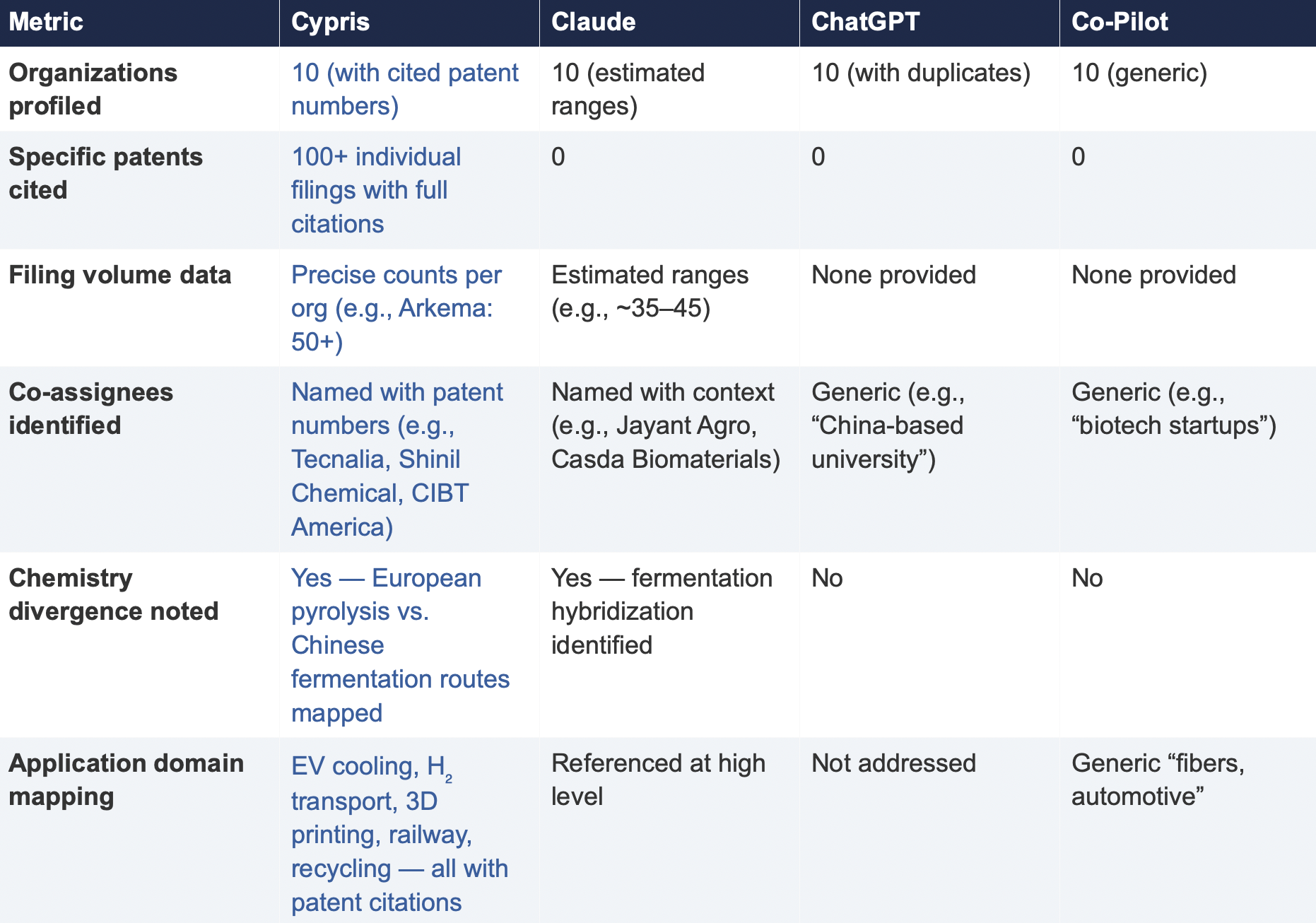
6.2 Summary of Results
6.3 Key Differentiators
Verifiability
The most consequential difference in Test 2 was the presence or absence of verifiable evidence. Cypris cited over 100 individual patent filings with full patent numbers, assignee names, and publication dates. Every claim about an organization’s technical focus, co-assignee relationships, and filing trajectory was anchored to specific documents that a practitioner could independently verify in USPTO, Espacenet, or WIPO PATENT SCOPE. No general-purpose model cited a single patent number. Claude produced the most structured and analytically useful output among the public models, with estimated filing ranges, product names, and strategic observations that were directionally plausible. However, without underlying patent citations, every claim in the response requires independent verification before it can inform a business decision. ChatGPT and Co-Pilot offered thinner profiles with no filing counts and no patent-level specificity.
Data Integrity
ChatGPT’s response contained a structural error that would mislead a practitioner: it listed CathayBiotech as organization #5 and then listed “Cathay Affiliate Cluster” as a separate organization at #9, effectively double-counting a single entity. It repeated this pattern with Toray at #4 and “Toray(Additional Programs)” at #10. In a competitive intelligence context where the ranking itself is the deliverable, this kind of error distorts the landscape and could lead to misallocation of competitive monitoring resources.
Organizations Missed
Cypris identified Kingfa Sci. & Tech. (8–10 filings with a differentiated furan diacid-based polyamide platform) and Zhejiang NHU (4–6 filings focused on continuous polymerization process technology)as emerging players that no general-purpose model surfaced. Both represent potential competitive threats or partnership opportunities that would be invisible to a team relying on public AI tools.Conversely, ChatGPT included organizations such as ANTA and Jiangsu Taiji that appear to be downstream users rather than significant patent filers in synthesis, suggesting the model was conflating commercial activity with IP activity.
Strategic Depth
Cypris’s cross-cutting observations identified a fundamental chemistry divergence in the landscape:European incumbents (Arkema, Evonik, EMS) rely on traditional castor oil pyrolysis to 11-aminoundecanoic acid or sebacic acid, while Chinese entrants (Cathay Biotech, Kingfa) are developing alternative bio-based routes through fermentation and furandicarboxylic acid chemistry.This represents a potential long-term disruption to the castor oil supply chain dependency thatWestern players have built their IP strategies around. Claude identified a similar theme at a higher level of abstraction. Neither ChatGPT nor Co-Pilot noted the divergence.
6.4 Test 2 Conclusion
Test 2 confirms that the coverage and verifiability gaps observed in Test 1 are not domain-specific.In a competitive intelligence context—where the deliverable is a ranked landscape of organizationalIP activity—the same structural limitations apply. General-purpose models can produce plausible-looking top-10 lists with reasonable organizational names, but they cannot anchor those lists to verifiable patent data, they cannot provide precise filing volumes, and they cannot identify emerging players whose patent activity is visible in structured databases but absent from the web-scraped content that general-purpose models rely on.
7. Conclusion
This comparative analysis, spanning two distinct technology domains and two distinct analytical workflows—freedom-to-operate assessment and competitive intelligence—demonstrates that the gap between purpose-built R&D intelligence platforms and general-purpose language models is not marginal, not domain-specific, and not transient. It is structural and consequential.
In Test 1 (LLZO garnet electrolytes for Li-S batteries), the purpose-built platform identified more than three times as many patents as the best-performing general-purpose model and ten times as many as the lowest-performing one. Among the patents identified exclusively by the purpose-built platform were filings rated as Very High FTO risk that directly claim the proposed technology architecture. InTest 2 (bio-based polyamide competitive landscape), the purpose-built platform cited over 100individual patent filings to substantiate its organizational rankings; no general-purpose model cited as ingle patent number.
The structural drivers of this gap—reliance on training data rather than live patent feeds, the accelerating closure of web content to AI scrapers, and the absence of patent-specific analytical frameworks—are not transient. They are inherent to the architecture of general-purpose models and will persist regardless of increases in model capability or training data volume.
For R&D and IP leaders, the practical implication is clear: general-purpose AI tools should be used for general-purpose tasks. Patent intelligence, competitive landscaping, and freedom-to-operate analysis require purpose-built systems with direct access to structured patent data, domain-specific analytical frameworks, and the ability to surface what a general-purpose model cannot—not because it chooses not to, but because it structurally cannot access the data.
The question for every organization making R&D investment decisions today is whether the tools informing those decisions have access to the evidence base those decisions require. This study suggests that for the majority of general-purpose AI tools currently in use, the answer is no.
Study Disclosure
This comparative evaluation was commissioned and published by Cypris. The testing methodology, prompts, evaluation criteria, and underlying outputs have been documented to support independent review and replication.
All platform outputs were preserved in their original form. Patent data and material factual claims were cross-checked against USPTO Patent Center and WIPO PATENTSCOPE records as of March 27, 2026. Cypris was one of the platforms evaluated and therefore has a commercial interest in the findings.
The Patent Intelligence Gap - A Comparative Analysis of Verticalized AI-Patent Tools vs. General-Purpose Language Models for R&D Decision-Making
All Blogs

Multiple studies concur that listening to music has a powerful impact on the brain. In fact, it's been shown to reduce things like anxiety, stress, blood pressure, pain, and improve sleep quality, mood, alertness, immune function, memory, and so much more. In the past year, new literature has brought to light the music's impact on cognitive ability and brain plasticity, in particular. In this blog, we’ll dive into the market outlook, innovation activity within the space, and recent scientific literature centered on how music improves cognitive abilities, particularly in relation to playing musical instruments, listening to your favorite music, and dancing.
Market outlook:
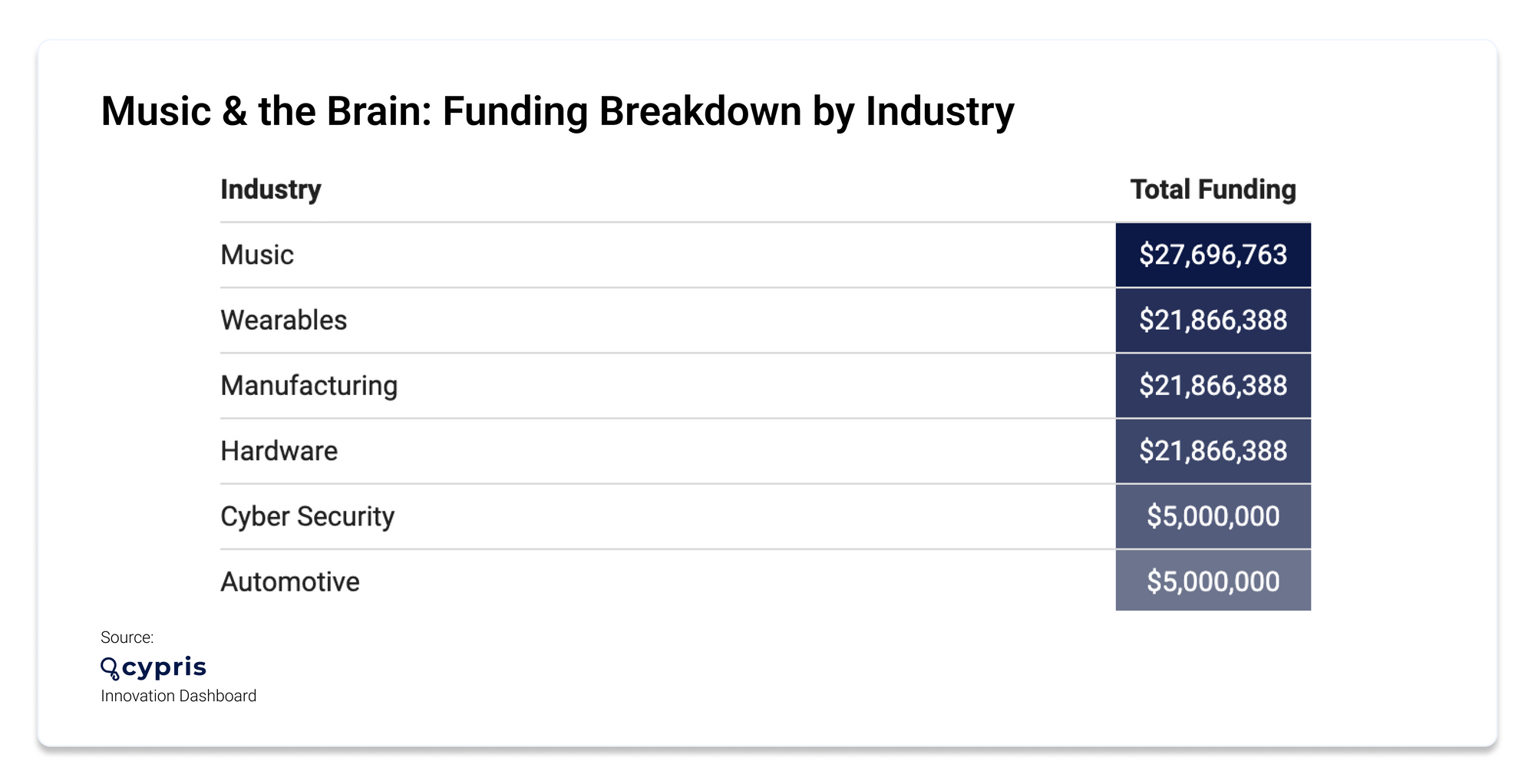
We used the Cypris Innovation Dashboard to pull data on the research area of music and the brain. According to our report, 15 new organizations entered the space last year, the majority of which were based in USA. Of the 15 organizations, 11 were startups. Below, you can see the funding breakdown for startups by industry.
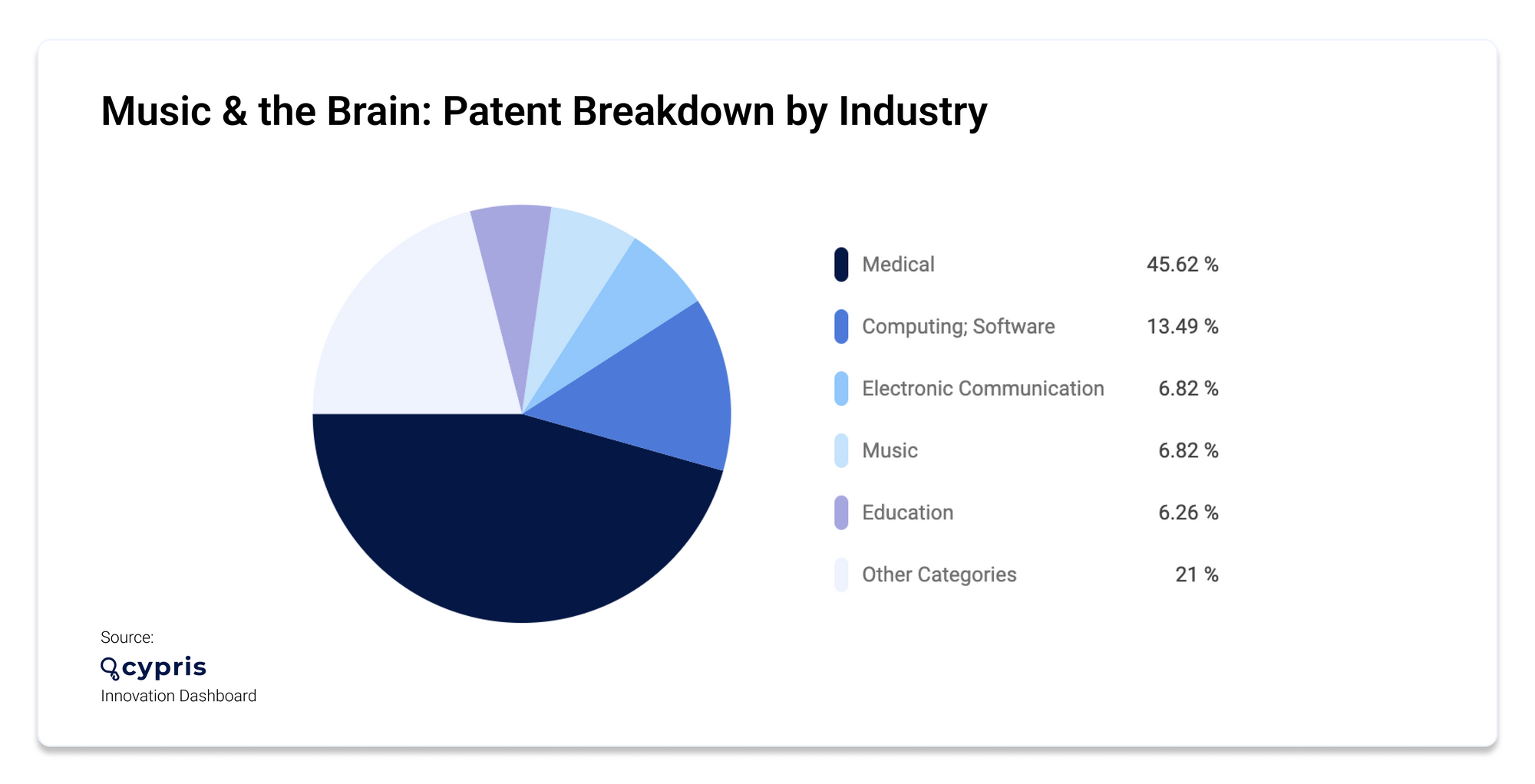
Scientific literature in the field saw the addition of 4,382 new research papers in the last year, while only 64 new patents were published in the space. Most of the patent activity centered on medical applications, with computing software coming in second.
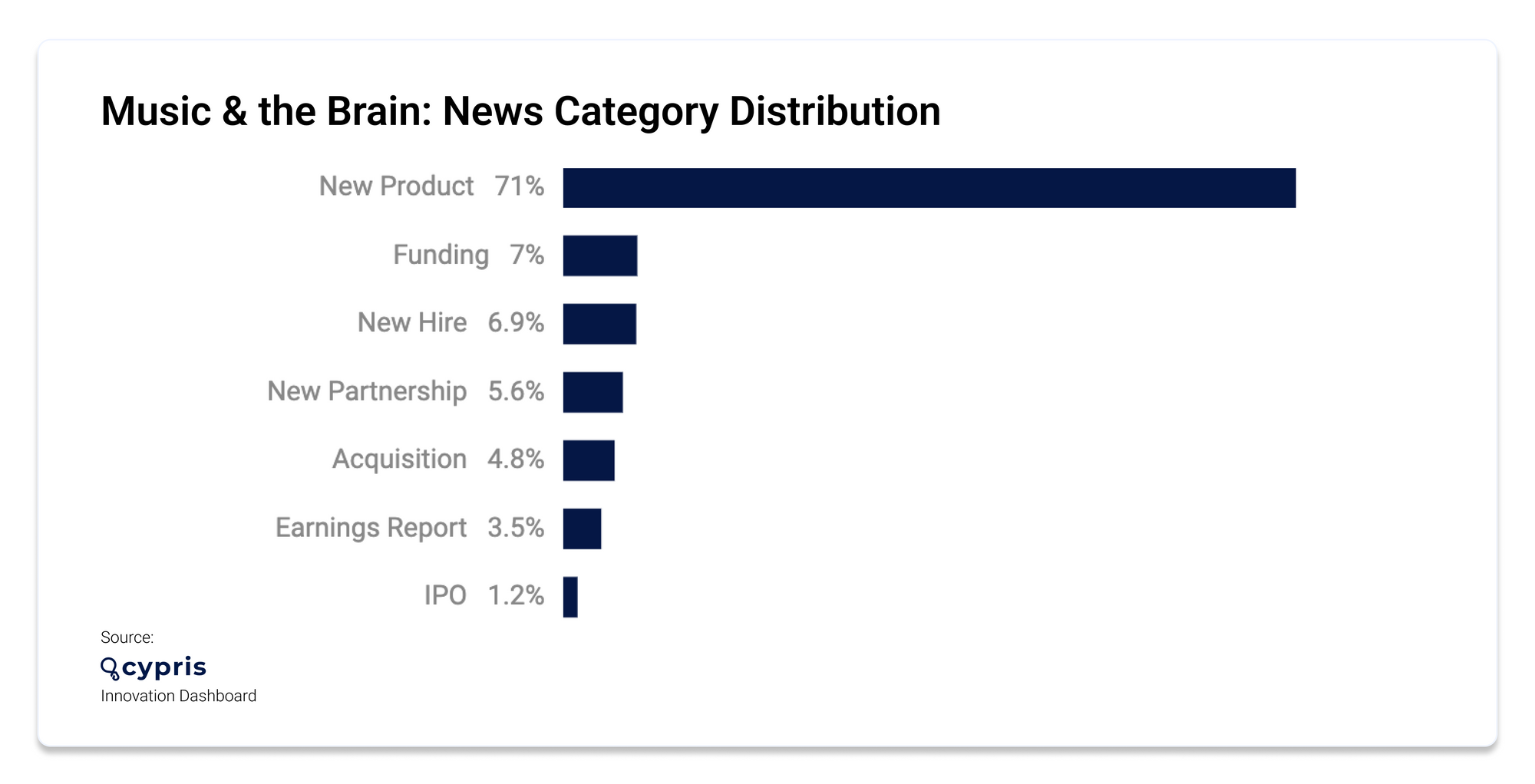
News coverage in the space boomed—with 89,798 news articles written in the last year, 71.05% of which were in the New Product category.
Research on music’s impact on cognitive ability
Let's take a look at the recent research studies examining the connection between music and brain function:

Playing a musical instrument in childhood improves cognitive ability in older age
The University of Edinburgh tested the cognitive ability of participants twice in their lives—at age 11 and age 70—using questions that included verbal reasoning, spatial awareness and numerical analysis portions. Out of the 366 study participants, 117 reported some experience of playing a musical instrument primarily during childhood and adolescence. Most commonly participants played the piano, but the instruments were wide ranging.
The results revealed that people with more experience of playing a musical instrument showed greater lifetime improvement on a test of cognitive ability than those with less or no experience. Researchers found that this was the case even when accounting for their socio-economic status, years of education, childhood cognitive ability, and their health in older age.
However, the researchers did note that the results don’t prove musical training boosts cognitive ability due to other confounding factors like parental influence, which could play a role.
Emeritus Professor Ian Deary, formerly Director of the Centre for Cognitive Ageing and Cognitive Epidemiology at the University of Edinburgh, said: “We have to emphasize that the association we found between instrument-playing and lifetime cognitive improvement was small, and that we cannot prove that the former caused the latter.
“However, as we and others search for the many small effects that might contribute toward some people’s brains aging more healthily than others, these results are worth following up.”

Listening to your favorite music improves brain plasticity
Patients in Toronto experiencing early-stage cognitive decline participated in a study where they each listened to a curated playlist that featured music that held significant meaning in their lives. The 14 participants, six of whom were musicians and eight non-musicians, listened to their playlist for an hour per day for three weeks.
MRI scans taken before and after the listening period compared their responses to new music they hadn't previously heard, and the long-known music they were attached to. Music, in general, activated the brain’s auditory cortex, but the familiar music lit up significant regions of the brain, including the prefrontal cortex. The prefrontal cortex is responsible for higher order executive functioning like decision-making, personality expression, and regulating emotions. Whether they were musicians or not, all participants demonstrated improved cognition.
Dr Michael Thaut is the senior author of the study, as well as being the director of the Music and Health Science Research Collaboratory, Tier One Canada Research Chair in Music, Neuroscience and Health, and professor at the University of Toronto's Faculty of Music and Temerty Faculty of Medicine.
"We have new brain-based evidence that autobiographically-salient music—that is, music that holds special meaning for a person, like the song they danced to at their wedding—stimulates neural connectivity in ways that help maintain higher levels of functioning," says Dr. Thaut.

Dancing to groovy music improves cognitive function
Researchers from University of Tsukuba in Japan performed functional near-infrared spectroscopy (fNIRS) with a color-word matching task on participants to examine inhibitory executive function before and after listening to music, as well as conducted a survey about the subjective experience of listening to groove music. Their goal was to examine the effect of groove music on executive function or brain activity in regions associated with executive function, such as the left dorsolateral prefrontal cortex (l-DLPFC).
Their findings revealed that dancing to ‘music with a groove’ can boost cognition, executive function and overall brain performance, as well as prevent diseases like dementia.
“The results were surprising,” explains lead author Professor Hideaki Soya. “We found that groove rhythm enhanced executive function and activity in the l-DLPFC only in participants who reported that the music elicited a strong groove sensation and the sensation of being clear-headed.”
Notably, those who were most familiar with the music experienced more improved brain function.
Whether it comes to playing an instrument as a child, listening to your favorite tunes, or dancing to groovy music, music has a profound impact on cognitive ability and brain plasticity. If you're curious to learn more about another topic of interest using data from our innovation dashboard, visit cypris.ai to get started.
Sources:
Cypris Innovation Dashboard, query: Music and the brain
https://www.nature.com/articles/s41598-022-11324-3
https://www.ed.ac.uk/news/2022/music-in-childhood-boosts-brains-in-later-life
https://www.mirror.co.uk/news/uk-news/learning-play-musical-instrument-child-28199852
https://www.abc.net.au/classic/read-and-watch/news/favourite-music-can-boost-brain-function/13661074
https://www.sciencedaily.com/releases/2022/05/220527101244.htm


With the growing interest in space flight and deep space exploration, more research is focusing on how to make life outside of earth habitable for human beings, and at what cost. In this blog, we’ll look at the market landscape of space travel, recent innovation activity, and scientific literature to gain a full picture of where our understanding of life beyond earth is headed.
Market Overview:
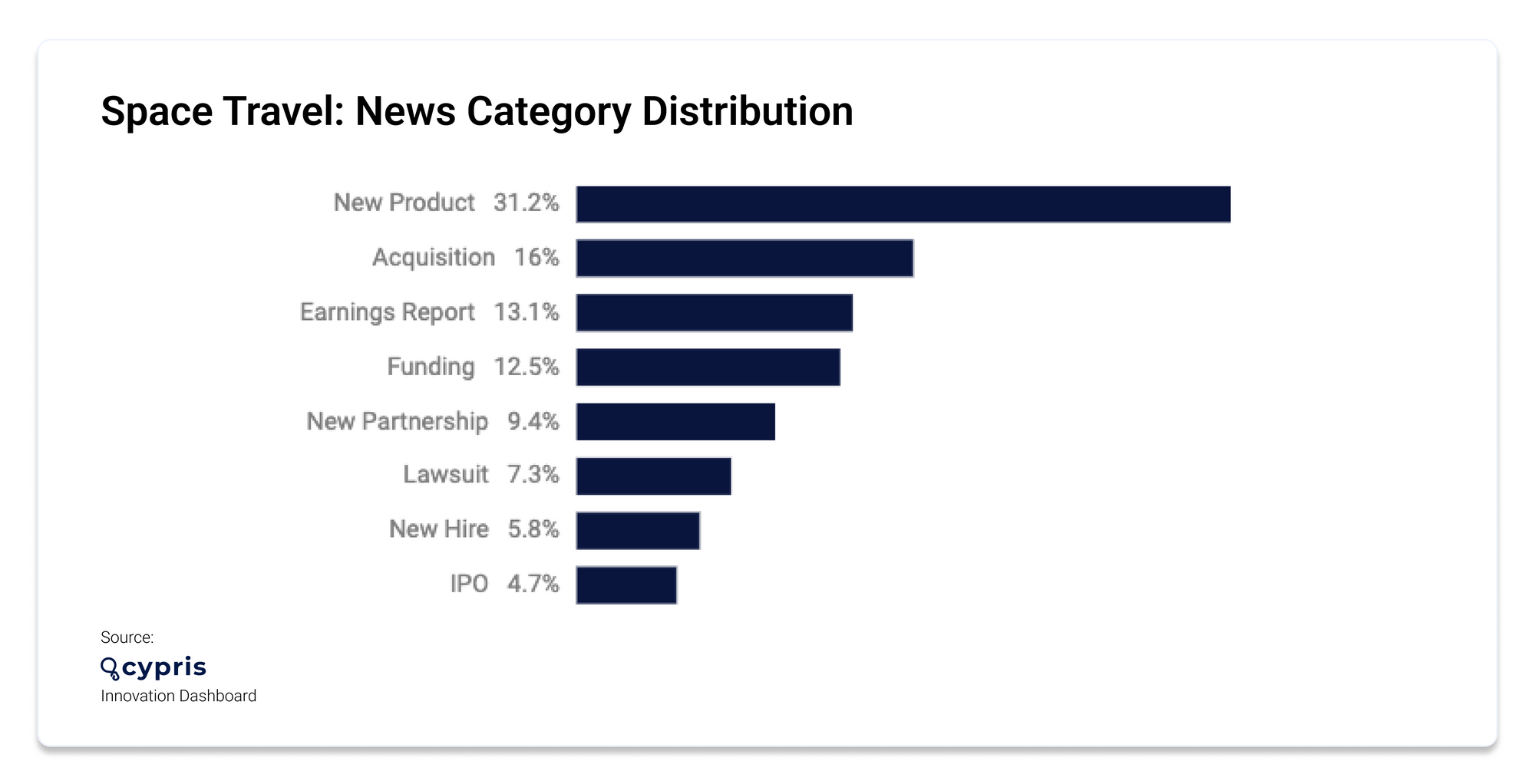
According to the Cypris Innovation Dashboard, over the past year alone, 15 new organizations entered the space travel industry (13 of which were startups) and the majority were based in USA. The past year also saw 406 new patents across 22 different countries, 10,549 new research papers, and 26,156 news articles published in the space. The majority of news articles focused on new products, and across the board media coverage was positive.
Of the patents published, 15.46% were created by the top 3 entities: NANJING SANLE GROUP CO LTD, ANHUI HUADONG PHOTOELEC TECH, and EMULATE INC. Below, you can see the breakdown of patent activity by region.
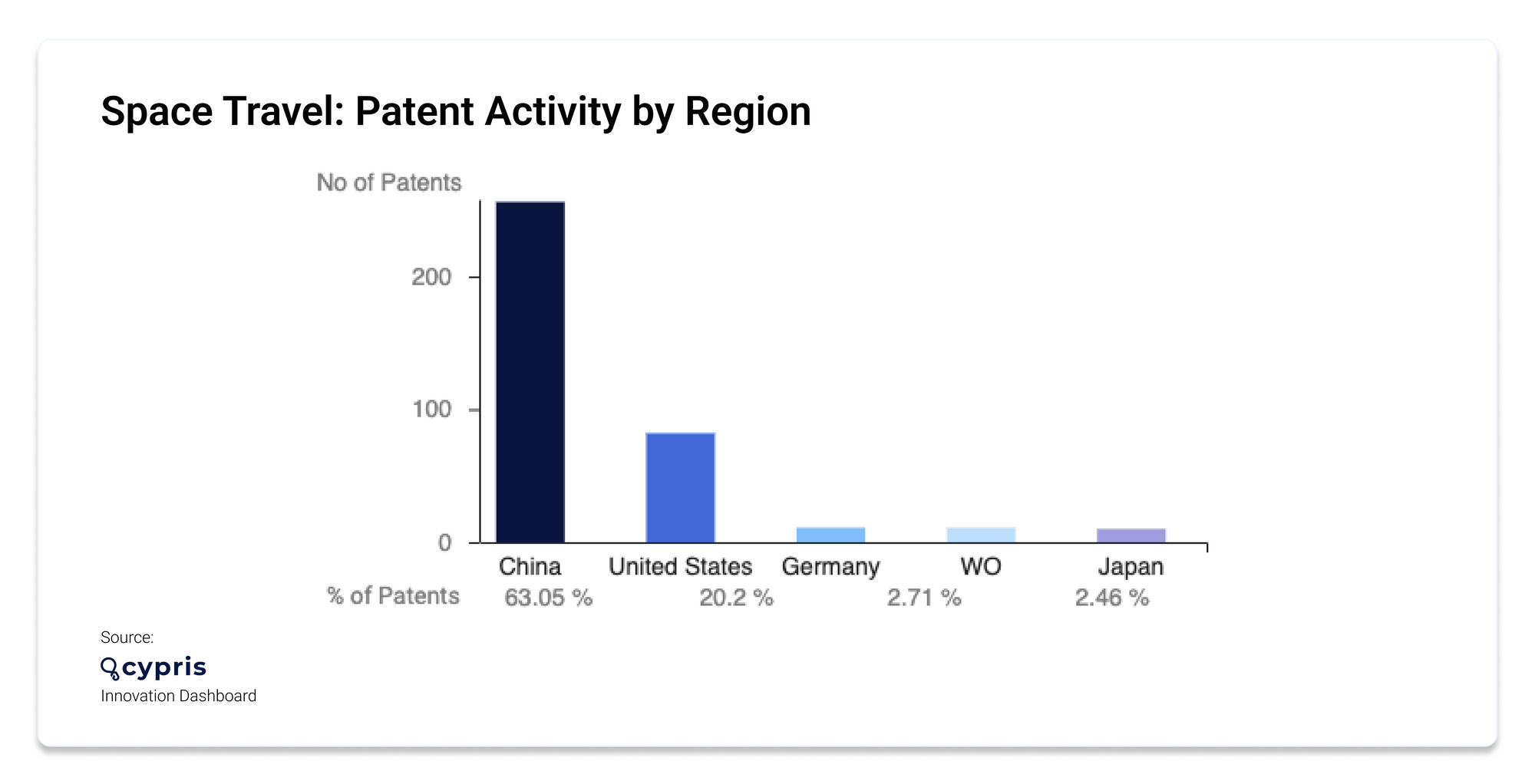
In the recent months, a number of new scientific studies have been released on efforts to make life in outer space habitable for human beings, and the impact of travel on the body and brain. Let's dive into a few of these findings.
Creating Oxygen in Space Using Magnets:

Researchers at the University of Warwick have invented a new way to make oxygen for astronauts using magnets. To provide oxygen in space, NASA currently uses centrifuges, which are large machines that require significant mass, power, and maintenance. As a result, scientists have been looking for a sustainable way to create air in space.
This study focused on the phenomenon of magnetically-induced buoyancy. The researchers engineered a procedure to detach gas bubbles from electrode surfaces in microgravity environments at the Bremen Drop Tower. The results revealed for the first time that gas bubbles can be ‘attracted to’ and ‘repelled from’ a neodymium magnet in microgravity within various solutions.
According to Dr. Katharina Brinkert of the University of Warwick Department of Chemistry Center for Applied Space Technology and Microgravity (ZARM), “Efficient phase separation in reduced gravitational environments is an obstacle for human space exploration and known since the first flights to space in the 1960s. This phenomenon is a particular challenge for the life support system onboard spacecraft and the International Space Station (ISS) as oxygen for the crew is produced in water electrolyzer systems and requires separation from the electrode and liquid electrolyte.”
The results of this study could help generate breathable atmospheres for future space travel to the moon and Mars.
Space Travel’s Impact on the Body's Bone Mass & Stem Cells:
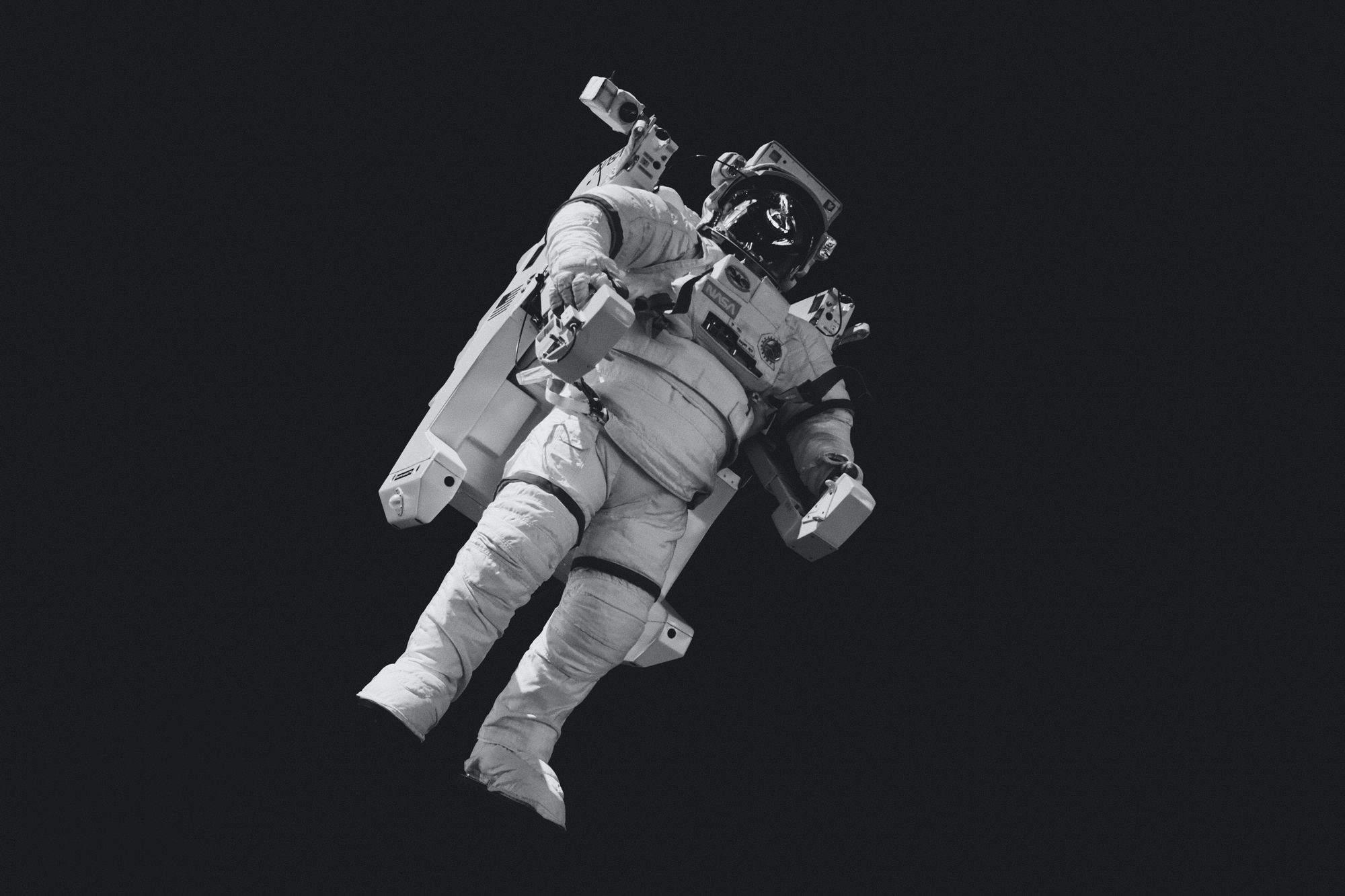
For those who stay in space for longer periods of time, the most prominent side effect is the loss of bone mass. New research now claims that living in space can also accelerate the process of bone aging, and irreparably damage bone structure.
The study assessed 14 male and three female astronauts, average age 47, whose missions ranged from four to seven months in space, with an average of about 5-1/2 months. The results showed that 1 year after their return from space, the astronauts on average exhibited 2.1% reduced bone mineral density at the tibia and 1.3% reduced bone strength. Nine of the 17 astronauts had not completely recovered a full year after returning from space.
"Astronauts experienced significant bone loss during six-month spaceflights - loss that we would expect to see in older adults over two decades on Earth, and they only recovered about half of that loss after one year back on Earth," Gabel said.
Additionally, another recent study focused on 14 astronauts from NASA’s space shuttle program whose white blood samples were stored for 20 years. Researchers found that the astronauts were more likely to have somatic mutations in their genes. The DNA mutations in blood-forming stem cells are at the root of several types of blood cancer.
Space Travel’s Impact on the Brain:
We know that space travel impacts the body, but what does it do to the brain? In this study, 12 cosmonauts who spent an average of six months aboard the International Space Station were scanned in an MRI scanner pre-flight, ten days after flight, and at a follow-up time point seven months after flight.
The results revealed "significant microstructural changes" in the white matter that manages communications within the brain, and to and from the rest of the body, as well as fluid shifts. In particular, the research team spotted changes in neural tracts related to sensory and motor functions, and believe this could have something to do with the cosmonauts' adaptation to life in microgravity while in outer space.
Whether through creating oxygen in outer space, or studying how travel impacts the brain and body, significant advances are being made in the space travel industry. For more data on patents and innovative research papers in the space travel field, visit cypris.ai and get started with access to the innovation dashboard.
If you’d like to explore recent patents filed, you can search through our global patent search engine for free here: https://cypris.ai/patents/allrecords
Sources:
Cypris innovation dashboard cypris.ai ; Query: space travel
https://www.precedenceresearch.com/space-tourism-market
https://interestingengineering.com/science/first-researchers-invent-oxygen-magnets-space-exploration
https://www.nature.com/articles/s41526-022-00212-9
https://www.sciencedaily.com/releases/2022/07/220729173222.htm
https://www.nature.com/articles/s41598-022-13461-1
https://www.slashgear.com/946243/scientists-discover-space-travel-accelerates-aging/
https://www.frontiersin.org/articles/10.3389/fncir.2022.815838/full


The brain processes 70,000 thoughts each day using 100 billion neurons that connect at more than 500 trillion points through synapses that travel 300 miles/hour. More and more, scientific advances are breaking down what's really going on behind these numbers. In this blog, we'll look at innovation in the area of artificial brain cells specifically.
Groundbreaking advances in artificial brain cell research are bridging the gap between man and machine, and paving the way for life-changing advances. Innovation in the artificial brain cell space is skyrocketing—experiencing a 61.79% growth rate over the past 5 years. The fastest growing category is Medical with an 133.33% increase in new patents filed over the last 5 years. Additionally, the IT Computing and Data Processing category is seeing a lot of filings by new entrants, so it might be an emerging space worth looking into.
Let’s take a look at the recent research that’s transforming the artificial brain cell space.
Artificial Neurons & Dopamine

Researchers at Nanjing University of Posts and Telecommunications and the Chinese Academy of Sciences in China and Nanyang Technological University and the Agency for Science Technology and Research in Singapore recently developed an artificial neuron with the ability to communicate using the neurotransmitter dopamine. Dopamine is our feel-good neurotransmitter, involved in the brain’s reward system.
The research team built an artificial neuron that can both release and receive dopamine. The neuron was made using graphene and a carbon nanotube electrode, to which they added a sensor to detect dopamine and a device called a memristor. If enough dopamine is detected by the sensor, a component called a memristor triggers the release of more dopamine at the other end through a heat-activated hydrogel.
To test the ability of the artificial neuron to communicate, they placed it in a petri dish alongside rat brain cells and found that the neuron was able to sense and respond to dopamine created and sent by the rat brain cells. The artificial neuron was also able to product some of its own, which triggered a response in the rat brain cells. Additionally, their results revealed that they could activate a small mouse muscle sample by sending dopamine to a sciatic nerve, which they use to move a robot hand.
Reviving Deceased Animal Brains
In 2019, Yale scientists restored cellular function in 32 pig brains that had been deceased for hours. The team used a system called BrainEx, which consisted of computer-controlled pumps and filters that sent a nourishing solution through a dead, surgically exposed brain, with an ebb and flow that mimics the body's natural circulation. The proprietary solution was based on hemoglobin, the oxygen-ferrying protein in red blood cells, and was made to show up during ultrasound scans, to enable researchers to track its flow through the brain. The process was found to restore circulation and oxygen flow to a dead brain.
Continuing their research, the same team published findings this month on reviving pig organs, rather than just the brain. Researchers connected pigs that had been dead for one hour to a system called OrganEx that pumped a blood substitute throughout the animals’ bodies. The solution they circulated contained the animal’s blood, as well as 13 compounds including as anticoagulants — to slow the decomposition of the bodies and quickly restore some organ function. Although OrganEx helped to preserve the integrity of some brain tissue, researchers did not observe any coordinated brain activity that would indicate the animals had regained any consciousness or sentience.
Graphene Synapses

A team at The University of Texas at Austin just published their research on how they developed synaptic transistors for brain-like computers using the thin, flexible material graphene. These transistors are similar to synapses in the human brain. Synapses connect neurons in the brain to neurons in the rest of the body and from those neurons to the muscles.
Graphene and nafion, a polymer membrane material, were used to create the backbone of the synaptic transistor. These materials demonstrate the ability for the pathways to strengthen over time as they are used more often, a type of neural muscle memory. When it comes to computing, this means that devices will improve in their ability and speed to recognize and interpret images over time.
Notably, these transistors are biocompatible, which means they can interact with living cells and tissue. For medical devices that interact with the human body, biocompatibility is key. Currently, most materials used for these early brain-like devices are toxic, so they would not be able to contact living cells.
Whether through creating artificial cells capable of transmitting and receiving dopamine, or reviving deceased brain cells in pigs, research is transforming our relationship to technology, and our understanding of the brain. To learn more about patents and new innovations in the artificial brain cell space, visit cypris.ai and get started with access to the innovation dashboard.
Sources:
https://www.nytimes.com/2022/08/03/science/pigs-organs-death.html
https://www.health.harvard.edu/mind-and-mood/dopamine-the-pathway-to-pleasure
Ting Wang et al, A chemically mediated artificial neuron, Nature Electronics (2022). DOI: 10.1038/s41928-022-00803-0
https://www.nature.com/articles/d41586-022-02112-0
https://techxplore.com/news/2022-08-graphene-synapses-advance-brain-like.html
https://www.miragenews.com/graphene-synapses-advance-brain-like-computers-833930/
https://healthybrains.org/brain-facts/#:~:text=Your brain is a three,that travel 300 miles%2Fhour.

In recent years, a digital transformation of intimacy has taken place—the Internet has become the new matchmaker. Today, it's not uncommon for people to use dating apps and meet their significant other online. In fact, over 323 million people worldwide currently use dating apps.
With more and more people turning to online dating, technologies are being created for things like measuring emotional compatibility, facilitating blind dating, danger prevention, and more. In this blog, we'll look at innovation activity in the online dating market, as well as a few of the new technologies changing how we navigate relationships.
Market Overview:
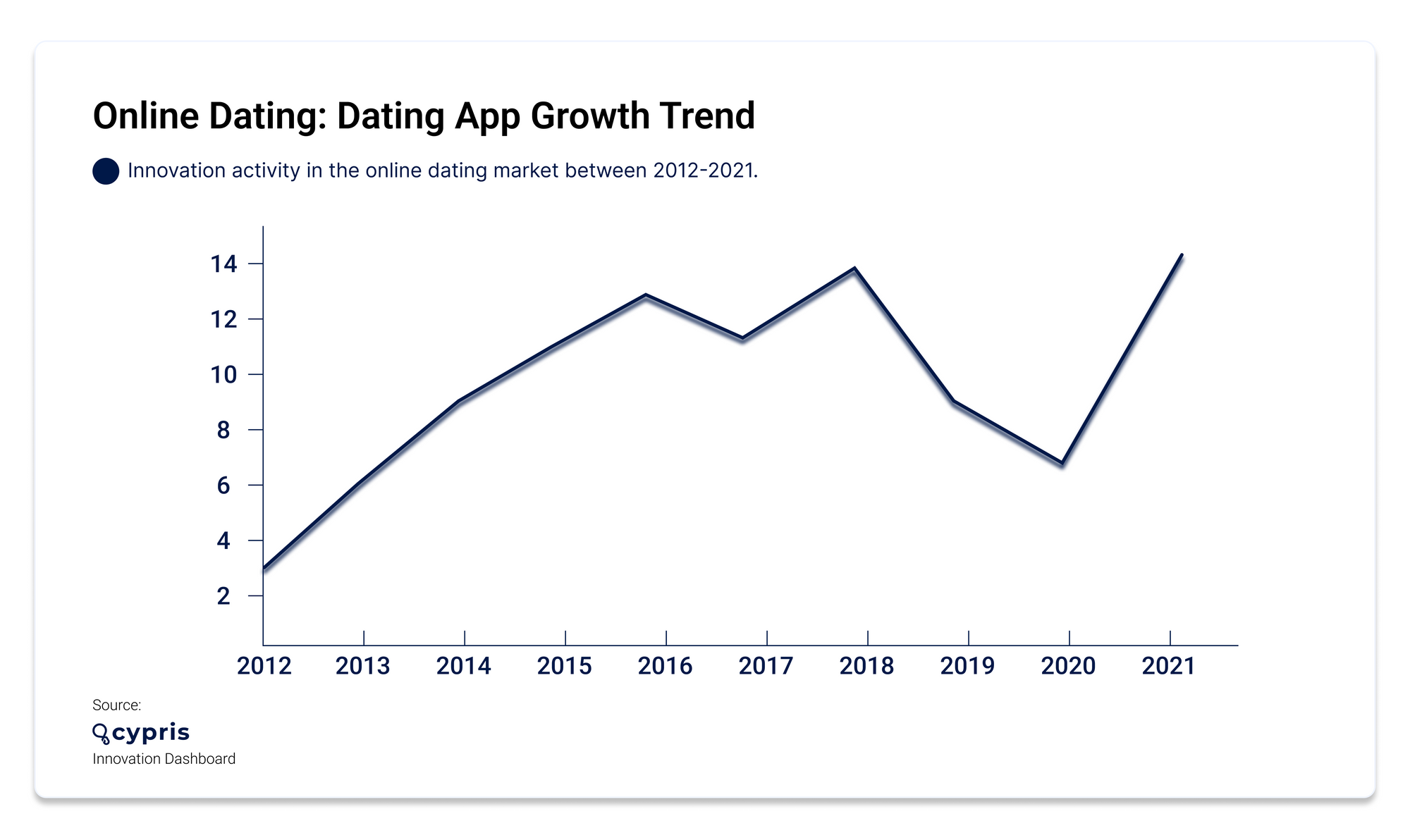
Using the Cypris Innovation Dashboard, we identified innovation activity in the online dating market has grown over the last 5 years, with a 20.91% average growth rate. The top players in the market are Match Group, LLC, Match.com Europe, and e2interactive, Inc., which collectively own 16.9% of IP in the market.
The fastest growing category is Computing Software which saw an 27.92 % increase in new patents filed over the last 5 years, as well as a lot of filings by new entrants.
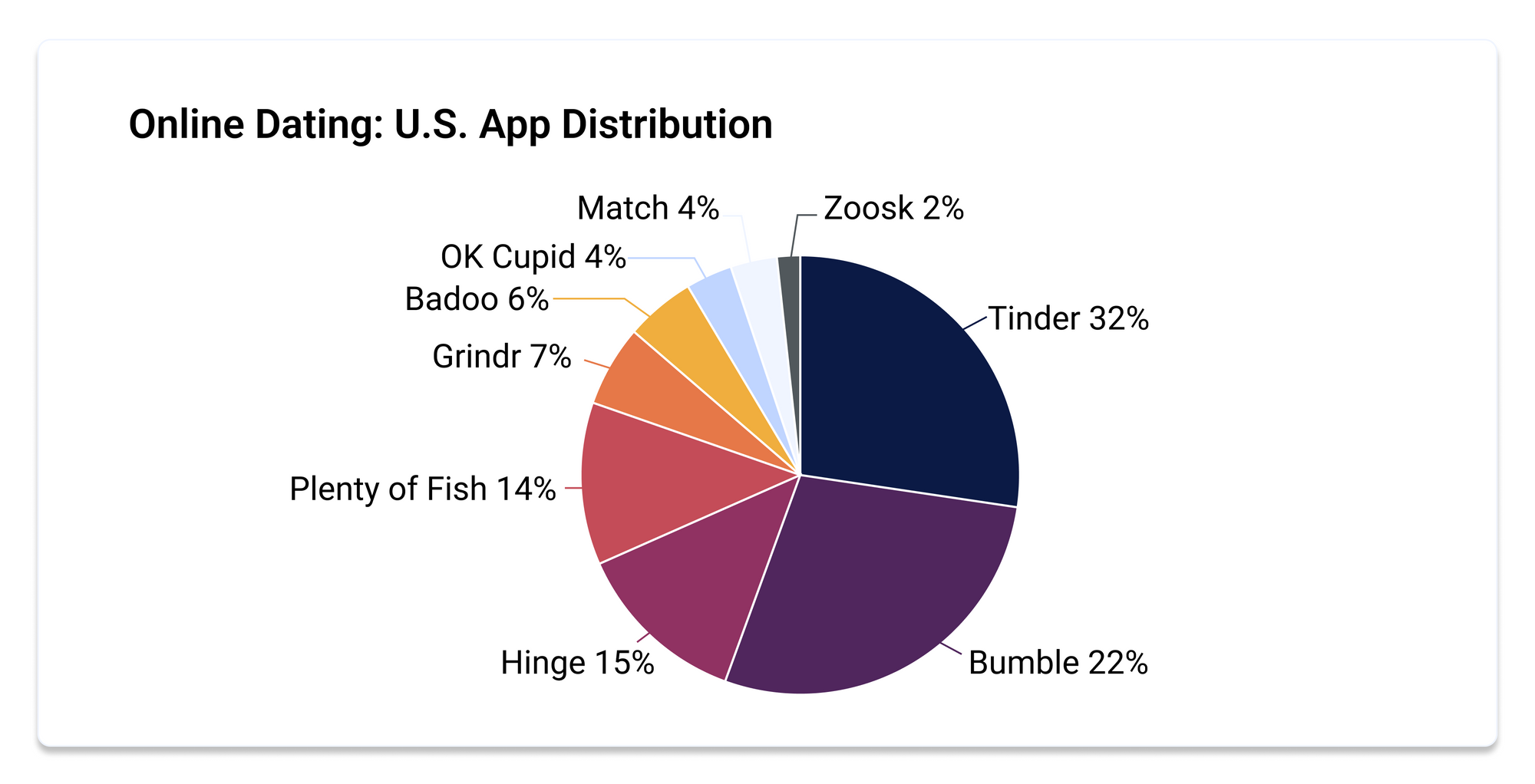
As of January 2022, Tinder dominated 32% of the U.S. market, followed by Bumble (22%), Hinge (15%), Plenty of Fish (15%), Grindr (7%), Badoo (6%), OKCupid (4%), Match.com (4%) and Zoosk (2%). In 2021, the dating app market made $5.61 billion revenue, with almost $3 billion made by Match Group.
Innovation in Online Dating
Let's dive into some of the fascinating patented technologies in the online dating space:
Method and Apparatus for Monitoring Emotional Compatibility in Online Dating: This patent covers methods, devices, and systems for capturing and sharing objective emotion data in dating interactions for the selection of suitable partners, or to enhance social dynamics in online interactions. An emotion monitoring device (EMD) measures physiological signals, obtained from biosensors, captured from a couple during a face-to-face or online dating interaction, and computes emotion data. The emotion data for each person is transmitted to an internet server, and each person shares their emotion data with the other during the interaction. The emotion data is then displayed to each person on a virtual or augmented reality device.
Inventor: Roger J. Quy; Patent Number: 20210267514

An Activity-Centric System and Method for Relationship Matching: This technology is for an online dating and relationship system that relies on common interests in, and arranging for specific face-to-face in-person activities. Potential activities are ranked by an activity ranking engine drawing on activity-related attributes of the users and of the activities. Mutual selection of an in-person activity enables the users to vet potential matches and to proceed to engage in the activity together. The ranking and match engines may take into account intrinsic user and activity attributes as well as activity- related attributes derived from the behavior of the users in relation to the activities.
Inventors: Perry Stevan, Stann Dominic, Petry James; Patent Number: WO2017054081A1
Online Dating Danger Prevention System: This patent covers an online dating danger prevention system. The online dating danger prevention system includes a database that holds information, including geo-location data and photographs, to make online dating safer. Users enter a set of contacts that the system can reach in the event of an emergency.
Inventors: Simard Marcellin; Patent Number: WO2015191090A1
Friend Matching Application: This patent includes a system and method for third-party matchmaking in an online or electronic dating app or system. A friend may review user profiles to select potential matches for another friend. Generating a match may require approval from one or more trusted users, or confirmation through a voting or similar mechanism. A user's matchmaking prowess may be ranked or scored based on success and accuracy. Matches may be anonymous or non-anonymous. A user desiring to be matched may seek out and request that a particular search user identify matches.

Inventor: Christopher Jordan Hurley; Patent Number: 20180130139
Dating Service with Restaurant Selection, Reservations, and Video Promotion Included: This patent covers a systematic method for securely setting up a date in online dating applications. The first step allows a requesting member to request a date with a requested member. Next, the requesting member can enter a meeting date, place, and time. The requested member will then be prompted to either accept or decline the date request from the requesting member. The method also provides a dating history database which records a members' dating history. In addition, a method of ensuring a member's safety by allowing members to choose to have someone contacted if the member does not update the dating history database after a date is disclosed.
Inventors: Stephone Belton; Patent Number: 20210287304
Systems and Methods for Initiating Conversations within an Online Dating Service: This technology is for a computer-implemented method for initiating conversations within an online dating service. It covers identifying a potential match for a user of an online dating service, automatically generating, in response to identifying the potential match, a customized interactive ice breaker widget that is customized to facilitate conversation between the user and the potential match, presenting the customized interactive ice breaker widget to the user, obtaining the user's response to the customized interactive ice breaker widget, and presenting, to the potential match, both the customized interactive ice breaker widget and the user's response to the customized interactive ice breaker widget to facilitate conversation between the user and the potential match.
Inventors: Qiang Wang, Nathan Andrew Sharp; Patent Number: 20200364806

Online Dating Service System: This patent covers an online blind date arranging service system and method that provides information on the opposite sex that can be connected by an acquaintance to a blind date applicant so that the other party can be verified through the acquaintance, and matchmaking can be arranged by an acquaintance.
Inventor: Kwon Nam Yeol; Patent Number: KR101759285B1
Whether through measuring emotional compatibility and setting up blind dates, or through danger prevention and matching based on mutual activity interests, technologies are transforming how we date. To learn more about patents and new innovations in the online dating space, visit cypris.ai and get started with access to the innovation dashboard.
If you’d like to explore recent patents filed, you can search through our global patent search engine for free here: https://cypris.ai/patents/allrecords
Sources:

In 2001, the tiny home trend emerged in the United States as an affordable and sustainable living alternative to traditional housing. Defined as less than 400 square feet, tiny homes are primarily full-time dwellings that can be permanent or mobile, on wheels or a skid [8]. The appeal? They require fewer resources, save on costs, and offer increased flexibility and mobility to tenants.
In this blog, we explore how the tiny home became popularized in the United States, how they’re changing the way we live, and the potential challenges living in a tiny home poses using research from the Cypris Innovation Dashboard.
The tiny home trend—how did it get here?
The current tiny housing trend as we see it in North America began when Jay Shafer founded the Tumbleweed Tiny House Company, the first company aimed specifically at producing designs for tiny houses in 2001. A tiny house enthusiast, Jay Shafer decided to start the company after helping others with design plans and implementation of tiny houses [7]. A year later, he founded the Small House Society alongside Greg Johnson, Shay Solomon, and Nigel Valdez [7]. Now, Tumbleweed is one of several companies building tiny homes made to order and deliver in the United States.
Over the years, the popularization of tiny homes has steadily increased. According to the Cypris Innovation Dashboard, innovation activity in the tiny home market has been, as a whole, growing over the last 5 years, with a 29.17% average growth rate. Today, the demand for alternative housing options like tiny homes is expected to increase, as housing prices climb.

How tiny homes are changing how we live.
The idea of intentionally downsizing ones living quarters begs the question: how much does a person need to live comfortably? Those who have chosen the tiny home lifestyle are working to change how they view what is “necessary” to live life. Of the many drivers that push people toward the tiny home life are a desire for cost-efficiency, a reduced impact on the environment, and a more mobile way of living which we explore more in-depth below.
Reduced Cost:
Tiny homes offer a unique solution to the lack of housing affordability. As the cost of conventional housing in the United States increases, the demand for tiny homes is expected to increase as well. Tiny homes in general are much cheaper to build and maintain. While many people can barely afford a down payment on a larger home, many tiny homes cost between $20,000 and $50,000 [10]. The general cost of living is also lower. One study found that a tiny homeowner is able to live on only $15,000 a year including luxuries such as a car, eating out, and comprehensive insurance [6]. As a result, people are left with more money to spend on things aside from housing costs.
Sustainable Living:
As the global population and urbanization continue to increase, so do consumption and our impact on the environment. Tiny homes are often viewed as a solution to unsustainable development, a building option that reduces the impact on the environment. While efforts have been taken in recent decades to improve energy efficiency in housing, the residential sector still contributes a significant proportion of global greenhouse gas (GHG) emissions [2]. Buildings account for over 1/3 of global energy use and nearly 40% of GHG emissions [2]. Studies indicate that there is a direct correlation between house size and operational energy use [1,4]. In the United States, the average size of a single-family home has doubled since 1950, leading to a profound environmental impact [11]. With their smaller size, tiny homes offer an ideal solution to reducing energy use and environmental impact. One particular tiny home study found that on a per capita basis, tiny homes lead to at least a 70% reduction in life cycle GHG emissions compared to a traditional house [2].
Freedom and Mobility:
Since the onset of COVID-19, remote work has become increasingly popular. Statistics on remote workers reveal that more than 4.7 million people work remotely at least half the time in the United States, while 16% of companies globally are fully-remote [12]. Remote workers are typically less stressed, and maintain a better work-life balance. Fewer people commuting to offices also means fewer cars on the road, which contributes to reducing greenhouse gas emissions. As more and more people gain the ability to work from anywhere, they can also decide the live anywhere. Tiny homes facilitate easy movement— instead of packing up things and finding someone to care for your home, you can just hitch your home to a trailer and go [7].
The challenges of tiny homes.
Many tiny homeowners face legality issues, primarily due to zoning restricting mobile homes. Municipalities also often have minimum size limits for habitability [7] typically between, 850 and 1,800 square feet (roughly 79 to 167 square meters) which can pose a challenge.
“Zoning regulations, restrictive covenants (i.e. provisions in the deed for the property that restrict the way the property may be used by the owners) and design standards for specific subdivisions, and even mortgage banking requirements can significantly limit options for creating small, space-efficient, single-family houses” [11].
As a result, many choose to build tiny homes on trailers, subjecting them to different restrictions than stationary homes [11]. However, this practice can be challenging since in some areas they are considered part-time residences.
Despite their issues, tiny homes provide a unique way of living that can save on costs, reduce environmental impact, and improve mobility. As housing costs and the focus on sustainable living continue to increase, innovation and adoption in the tiny home space will continue to grow.
For more insights on the tiny home space or another research area, please visit cypris.ai to get started using the Innovation Dashboard and gain access to 500M+ global data points.
Sources:
- Clune S, Morrissey J and Moore T (2012) Size matters: House size and thermal efficiency as policy strategies to reduce net emissions of new developments Energy Policy 48 657–667
- Crawford, R H, and A Stephan. "Tiny House, Tiny Footprint? The Potential For Tiny Houses To Reduce Residential Greenhouse Gas Emissions". IOP Conference Series: Earth And Environmental Science, vol 588, no. 2, 2020, p. 022073. IOP Publishing
- Foreman, P.; Lee, A.W. (2005). A tiny home to call your own: Living well in just write houses. Buena Vista, VA: Good Earth Publications.
- Guerra Santin O, Itard L and Visscher H (2009) The effect of occupancy and building characteristics on energy use for space and water heating in Dutch residential stock Energy and Buildings 41(11) 1223-1232
- Krista Evans (2020) Tackling Homelessness with Tiny Houses: An Inventory of Tiny House Villages in the United States, The Professional Geographer, 72:3, 360-370, DOI: [10.1080/00330124.2020.1744170]
- Mitchell, R. (2013, April 3). How Little Can You Live On?
- Mutter, Amelia (2013) Growing Tiny Houses Motivations and Opportunities for Expansion Through Niche Markets. iiiee.
- Shearer H and Burton P 2019 Towards a typology of tiny houses Housing, Theory and Society 36(3) 298-318
- Wagner, Ron '93 (2018) "Tiny Houses, Big Dreams,"Furman Magazine: Vol. 61: Iss. 1 , Article 20.
- Wax, E. (2012, November 28). Home, squeezed home: Living in a 200-square-foot space, The Washington Post.
- Wilson, A., & Boehland, J. (2005). Small is beautiful - US house size, resource use, and the environment. Journal of Industrial Ecology, 9(1-2), 277-287.
- [https://www.apollotechnical.com/statistics-on-remote-workers/#:~:text=Statistics on remote workers reveal,to an Owl labs study]
- Cypris Innovation Dashboard; Query: Tiny + Houses; https://cypris.ai

Carbon dioxide (Co2) is one of the atmospheric "greenhouse gases" that absorbs and radiates heat gradually over time and contributes to the natural warming of the Earth known as the greenhouse effect. Notably, increases in atmospheric CO2 are responsible for about 2/3 of the total energy imbalance that is causing Earth's temperature to rise.
The built environment generates nearly 50% of annual global CO2 emissions. Of those total emissions, building operations are responsible for 27% annually, while building materials and construction are responsible for an additional 20% annually.
As a result, measures are being taken to create structures and building materials that are carbon-neutral, and even carbon negative, to reduce the amount of CO2 in the atmosphere. One such project was announced this week by the U.S. Department of Energy.
About the project
The U.S. Department of Energy (DOE) announced Monday that it is awarding $39 million in grants, primarily to universities, for 18 projects seeking to develop technologies that can transform buildings into net carbon storage structures.
The awards are part of DOE’s Harnessing Emissions into Structures Taking Inputs from the Atmosphere (HESTIA) program, and will prioritize overcoming barriers associated with carbon-storing buildings, including scarce, expensive, and geographically limited building materials. The overarching goal is to increase the amount of carbon that can be stored in buildings so they become “carbon sinks”— materials or processes that absorb more carbon from the atmosphere than they release. The decarbonization goals for this program fall in line with President Jo Biden’s call for the federal government to reach net-zero emissions by 2050.
Why it's significant
Of the greenhouse gases, carbon dioxide is known to absorb less heat per molecule than the greenhouse gases methane or nitrous oxide, be more abundant, and stay in the atmosphere much longer. When it comes to how CO2 factors into buildings, the DOE reports that greenhouse gas emissions associated with material manufacturing and construction, renovation and disposal of buildings at the end of their service life are concentrated at the start of a building's lifetime. As a result, it's important to address greenhouse gas emissions when it comes to materials, design, and building techniques.
According to U.S. Secretary of Energy Jennifer M. Granholm, “There’s huge, untapped potential in reimagining building materials and construction techniques as carbon sinks that support a cleaner atmosphere and advance President Biden’s national climate goals. This is a unique opportunity for researchers to advance clean energy materials to tackle one of the hardest to decarbonize sectors that is responsible for roughly 10% of total annual emissions in the United States.”
Who’s working on the project
The teams are comprised of universities, private companies, and national laboratories, and will develop and demonstrate building materials and net carbon negative whole-building designs. HESTIA project titles, locations, and award amounts are listed below. For more detailed information on each project, visit HESTIA project descriptions.
- National Renewable Energy Laboratory – Golden, CO; High-Performing Carbon-Negative Concrete Using Low Value Byproducts from Biofuels Production - $1,749,935
- Texas A&M University – College Station, TX; Hempcrete 3D Printed Buildings for Sustainability and Resilience - $3,742,496
- University of Colorado Boulder – Boulder, CO; A Photosynthetic Route to Carbon-Negative Portland Limestone Cement Production - $3,193,063
- University at Buffalo – Buffalo, NY; Modular Design and Additive Manufacturing of Interlocking Superinsulation Panel from Bio-based Feedstock for Autonomous Construction - $2,179,852
- University of Pennsylvania – Philadelphia, PA; High-Performance Building Structure with 3D-Printed Carbon Absorbing Funicular Systems – $2,407,390
- National Renewable Energy Laboratory – Fairbanks, AK; Celium: Cellulose-Mycelium Composites for Carbon Negative Buildings/Construction - $2,476,145
- Pacific Northwest National Laboratory – Richland, WA; The Circular Home: Development and Demonstration of a Net-Negative-Carbon, Reusable Residence - $2,627,466
- Oregon State University – Corvallis, OR; Cellulose Cement Composite (C3) for Residential and Commercial Construction - $2,500,000
- Oak Ridge National Laboratory – Oak Ridge, TN; Renewable, Carbon-negative Adhesives for OSB and Other Engineered Woods - $1,098,000
- University of Wisconsin-Madison – Madison, WI; Carbon-Negative Ready-Mix Concrete Building Components Through Direct Air Capture - $2,256,250
- Northeastern University – Boston, MA; 4C2B: Century-scale Carbon-sequestration in Cross-laminated Timber Composite Bolted-steel Buildings - $3,150,000
- Purdue University – West Lafayette, IN; Strong and CO2 Consuming Living Wood for Buildings - $958,245
- University of Tennessee-Knoxville – Knoxville, TN; Lignin-derived Carbon Storing Foams for High Performance Insulation - $2,557,383
- Clemson University – Clemson, SC; An Entirely Wood Floor System Designed for Carbon Negativity, Future Adaptability, and End of Life De/re/Construction - $1,042,934
- Aspen Products Group – Marlborough, MA; High Performance, Carbon Negative Building Insulation - $1,152,476
- BamCore – Ocala, FL; Maximizing Carbon Negativity in Next Generation Bamboo Framing Materials - $2,230,060
- SkyNano – Knoxville, TN; CO2mposite: Recycling of CO2, Carbon Fiber Waste, and Biomaterials into Composite Panels for Lower Embodied Carbon Building Materials - $2,000,000
- Biomason – Durham, NC; Soteria - Carbon Negative Bioconcrete Unit Production Concept - $1,812,118
Given the funding the DOE is devoting to decarbonization technologies, it's safe to say that research and investment into the area is on the rise. According to our data, there are 1584 players in the market operating across 3723 technologies. To learn more about innovation activity in the decarbonization space, visit cypris.ai and get started with access to the innovation dashboard.
Sources:
.avif)